



DOCUMENTS NEEDED TO SELL A DIAMOND RING
People ask us all the time what paperwork they need to sell a diamond ring. Honestly, not much. If you have a GIA report, that is the most important thing. If you don't have one, we grade the diamond ourselves and make you an offer anyway.
Some people send us a whole folder with receipts, appraisals, everything. Some send the ring and nothing else. We buy both. The document that causes the most problems is the appraisal. People see the number on it and think that's what the ring is worth. It is not.
IN THIS GUIDE

WHAT YOU NEED TO SELL A DIAMOND RING
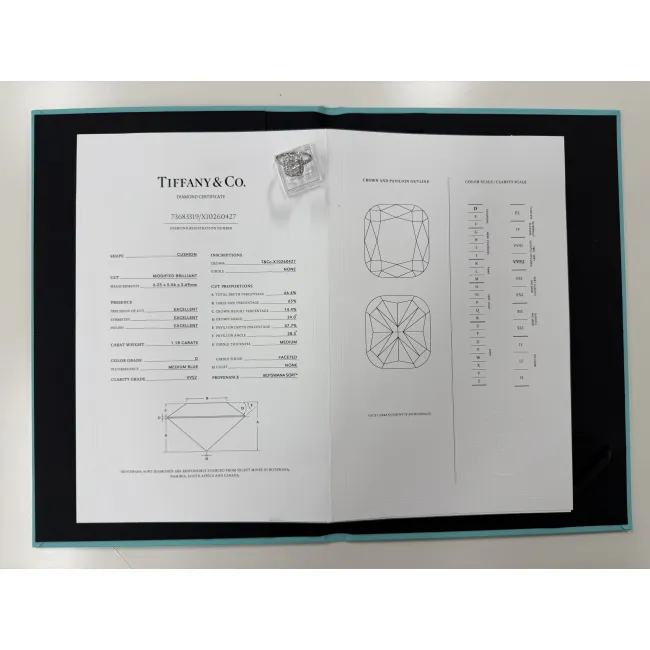
Send what you have. The GIA report if there is one, or other certificates. Any appraisals. The original receipt. And if it's a branded piece, like Tiffany or Cartier, the box and papers.
You will also need a government photo ID. Every legitimate buyer asks for ID. If somebody doesn't ask, I would be careful dealing with them.
Most people don't have all of it. Missing paperwork very rarely stops a sale. It just means we do more of the checking ourselves.
If it's an engagement ring, we have a separate guide on how to sell your diamond engagement ring.
THE GIA REPORT
If you're selling a diamond ring with a GIA report, send the report with it. GIA is the gold standard. It's what the whole trade prices from. With the report we know the cut grade, the measurements, all the details on the stone, and we check it against the diamond when it comes in. There's less risk for us, so we can pay more.
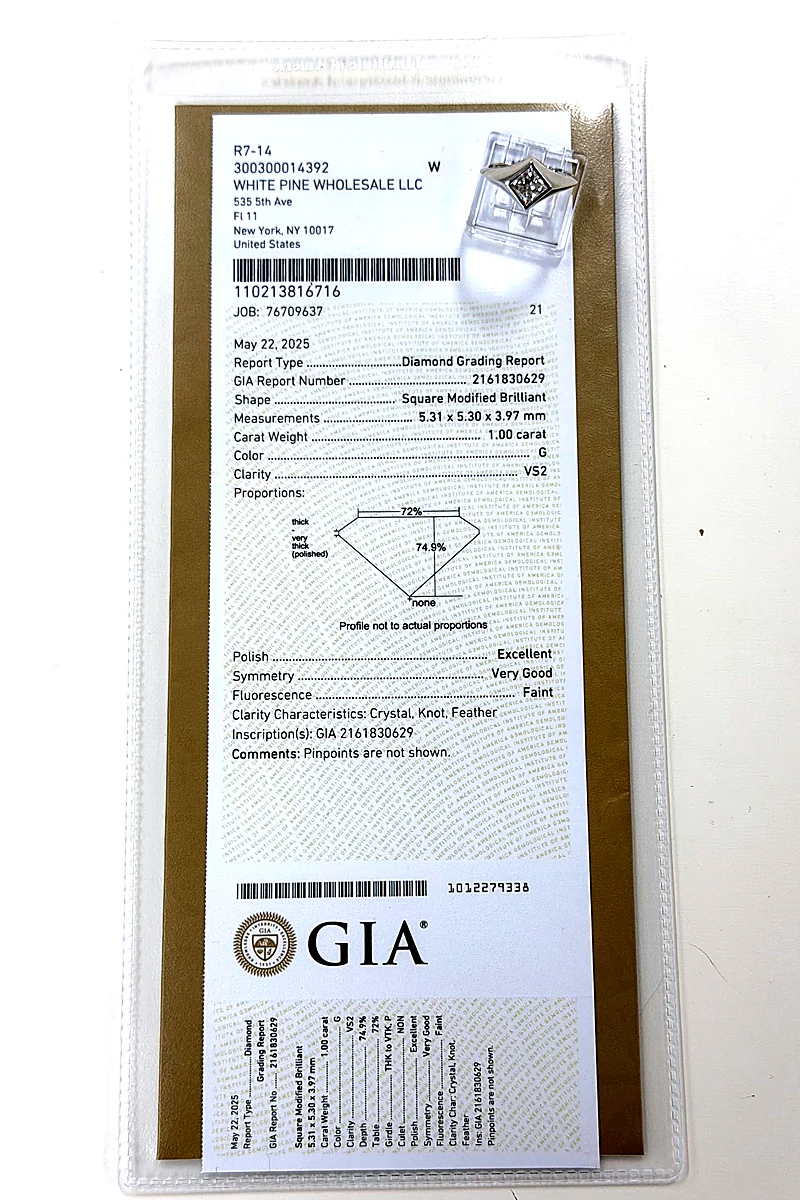
There's also a cost reason. When we buy a diamond that isn't graded, at some point it has to go to GIA before we can sell it. We pay the grading fee, we wait a few weeks, and sometimes it comes back lower than we expected. A diamond that already has the report, we skip all that.
We'll look at reports from other labs too. They just don't carry the same weight with buyers. Some labs are known to grade softer than GIA, so the seller thinks the stone is a grade or two better than it really is.
CHECKING THE INSCRIPTION
Most GIA diamonds have the report number laser-inscribed on the girdle. You need a loupe to see it. We check it on every stone, every time. We have had stones come in where the inscription did not match the report. When that happens the report doesn't count and we grade the stone ourselves.
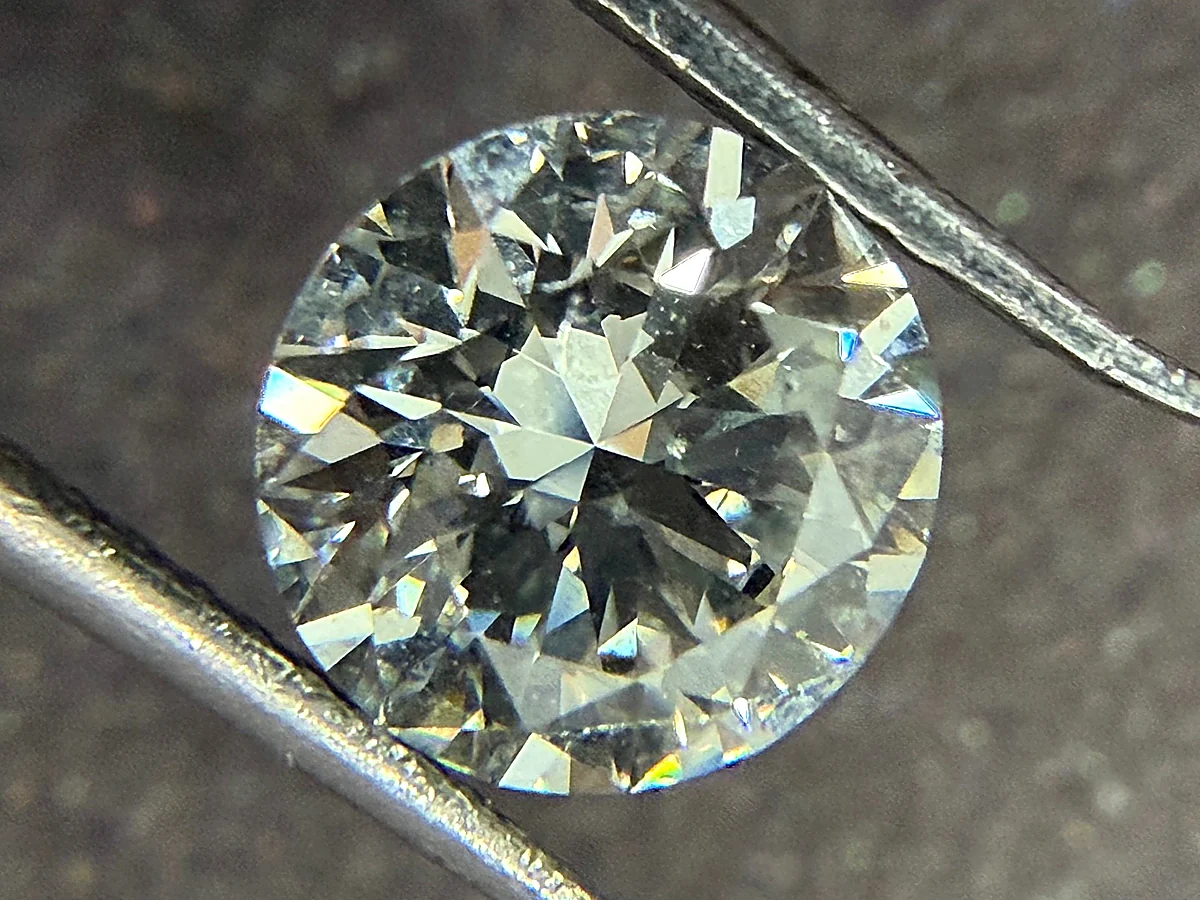
A lot of the time it's an honest mix-up. Papers get mixed up, or a stone got swapped out when somebody upgraded. But if you're counting on that report, have a jeweler check the inscription before you send it. It takes two minutes.
NO REPORT, OR A LOST ONE
A lot of rings never had a report. Older rings especially, and engagement rings people bought from their local jeweler years ago. Not a problem. We grade them ourselves, to GIA standards, and make a final offer. This is what we do all day and we are very accurate.
Lost your GIA report? Send us the diamond. Most of the time we can identify it from the inscription and match it to the GIA record. If we can't, we grade it without the report. Also check your old appraisals or your insurance paperwork. The report number is often on there, and you can look it up on GIA's Report Check.
WHY YOUR APPRAISAL WON'T MATCH THE OFFER
This is where most people get disappointed when they sell a diamond ring. An appraisal is for insurance. The number on it is what it would cost to replace the ring at a store, at full retail. Nobody buying the ring to resell it can pay that. It's a completely different number from a sell price.
Appraisals are also subjective. We see appraisals all the time that are two or three grades higher than what GIA would give the same stone. On a one carat diamond that can be a lot of money.
We still look at them. They're useful for carat weight and a general idea of quality. But we always do our own evaluation and the offer comes from that. Anybody can put a value on a diamond. The real number is the one from a buyer who is actually paying you.
RECEIPTS, BOXES AND BRAND PAPERS
A receipt is nice to have. It shows where and when the ring was bought, and sometimes it lists the details on the stone. It doesn't change how we grade, and what you paid at retail doesn't tell you much about resale.
Branded jewelry is different. If you have the box, the pouch, the certificate or the warranty card from Tiffany, Cartier or another big house, send it. Branded pieces sell better with the original packaging and papers, and that helps your offer. We authenticate branded pieces in-house, so if the box is gone we can still buy a genuine piece.
On a mounted ring, the center stone is most of the price. If the ring is nice and resellable, we buy it as a whole piece. The paperwork on the diamond matters a lot more than anything on the setting.
SENDING IT IN
When you're ready to sell your diamond ring, put the report and any other paperwork in the package with it. Shipping is free and fully insured both ways. If you don't take the offer, we send everything back at no cost to you. There are no fees. What we offer is what you get paid, by check or wire, and the offer usually holds for 14 days.
WHITE PINE'S TAKE — BILL NORTON
The GIA adds a premium. We can be sure of the details, cut grade, specifics on the stone, and avoid certification fees.
If the diamond is not graded, we conduct an independent evaluation and final offer. We grade according to GIA standards and are very accurate in our assessments.
We always check the laser inscription on the diamond. We have had stones with inscriptions that do not match.
If the GIA certification has been lost, I suggest sellers send us the diamond to be examined. In most cases, we are able to identify the diamond with the inscription or will evaluate the diamond without it to GIA standards.
Appraisals are subjective, and unfortunately they are often misleading, giving the perception of a higher grade, higher value to the customer. It is very common to have appraisals that are 2-3 grades over GIA standards. For this reason, they hold very little impact on final offers. Appraisals are used as a reference for carat weight and quality, but an independent evaluation is always completed.
Appraisal values represent a full insurance retail replacement value. This is significantly different from a sell price. Sellers can expect 20%-30% of the appraised value when selling their diamond, and this assumes the grade is correct on the appraisal.
A GIA certification is always the best document to help sell your diamond at the highest possible price.
Bill Norton, VP of Diamond Operations, White Pine Wholesale
bnorton@whitepinediamonds.com
FAQ
CAN I SELL A DIAMOND RING WITHOUT A GIA REPORT?
Yes. We grade it ourselves to GIA standards and make you a final offer. A GIA report helps the price, but a lot of rings sell without one.
WILL I BE OFFERED MY APPRAISAL VALUE?
No. The appraisal is a full retail replacement value for insurance. A resale offer is going to be well below that, and lower if the appraisal has the grade wrong, which is very common.
I LOST MY GIA REPORT. WHAT NOW?
Send us the diamond. In most cases we can match it to the GIA record from the inscription. If not, we grade it without the report.
DO I NEED THE ORIGINAL RECEIPT TO SELL MY DIAMOND RING?
No. It's helpful for branded pieces, but we buy plenty of rings without a receipt.
You don't need perfect paperwork. Send the ring with whatever you have and we'll make you an offer.