



WHAT THE DIAMOND MARKET ACTUALLY LOOKS LIKE RIGHT NOW
By Bill Norton, VP of Diamond Operations
White Pine Diamonds — May 2026
I get asked about diamond values constantly. Usually by people who bought something five years ago and are surprised — sometimes angry — when I tell them what it's worth today. So let me just put down what I'm seeing, because the market has changed enough that a lot of assumptions people are walking around with are wrong.
Certified Stones
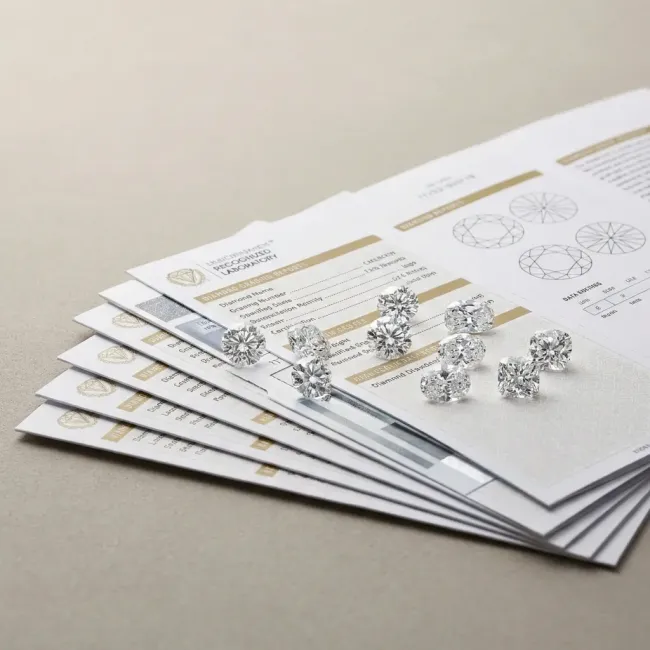
Elongated shapes are where demand is. Ovals, marquises, radiants, elongated cushions. Rounds are fine — rounds are always fine, there's always a buyer. What's soft is square. Princess cuts, square cushions, square ovals. Not dead, but noticeably slower, and that's been the case long enough now that it's not a trend anymore, it's just where things are.
Across the board, certified natural diamonds are down 15 to 30 percent from two years ago. That's a real number. The range is that wide because a 2ct oval and a 1ct princess are living in very different markets right now. The 1.5ct-and-up range has held better than almost anything else — solid demand, still moves. Under 1.5ct is where it gets uncomfortable. Those stones are competing with lab-grown in a way that wasn't true a few years back, and that competition is priced in whether sellers know it or not.
If you're thinking about selling an engagement ring or diamond ring, the shape and weight of the center stone matter more right now than they ever have. A well-cut oval or round at 1.5 carats and up — especially with a GIA certificate — is a stone I can move. A sub-carat princess or cushion is a harder sell, and the offer will reflect that. The setting itself rarely adds much; it's the diamond doing the work. If you have a certificate, find it. If you don't know whether your stone is certified, that's worth finding out before you start talking to buyers.
Melee
If you're a jeweler or dealer sitting on natural melee inventory, you already know something is off. It's moving slower, you're getting lower offers, and buyers who used to call aren't calling. The reason isn't complicated — manufacturers can source lab-grown melee at a fraction of the cost of natural, it performs the same in a pavé or channel setting, and so that's what they're buying. The demand side of the natural melee market has structurally contracted. That's not a cycle. It's not coming back.
I1 and below — yellows, browns, anything off-color — there's almost no market for it. We see mixed parcels come in regularly where the natural melee content adds nothing to the value of the lot. I'm not exaggerating when I say most of it is worthless in terms of resale. White natural melee at I1-plus still has buyers, but it's down 20 to 30 percent and the pool of people buying it has shrunk. The ones still buying specifically need natural for a reason — certain markets, certain clients. It's a real segment, just smaller than it was.
If you have jewelry with melee in it and you're thinking about selling, don't factor that melee into your expectations the way you might have five years ago. The stones that matter in a piece right now are the center stone and the metal. That's usually the honest conversation I end up having.
Bill Norton is VP of Diamond Operations at White Pine Diamonds. He joined the company in 2011 after working with Michael Werdiger Inc. and completing GIA diamond grading training. He oversees buying, manufacturing, and production with a focus on recycled diamond material.
RELATED SERVICES & INVENTORY
Melee Diamonds
Natural and lab-grown melee in trade quantities, sorted and ready to ship.
Learn more →