



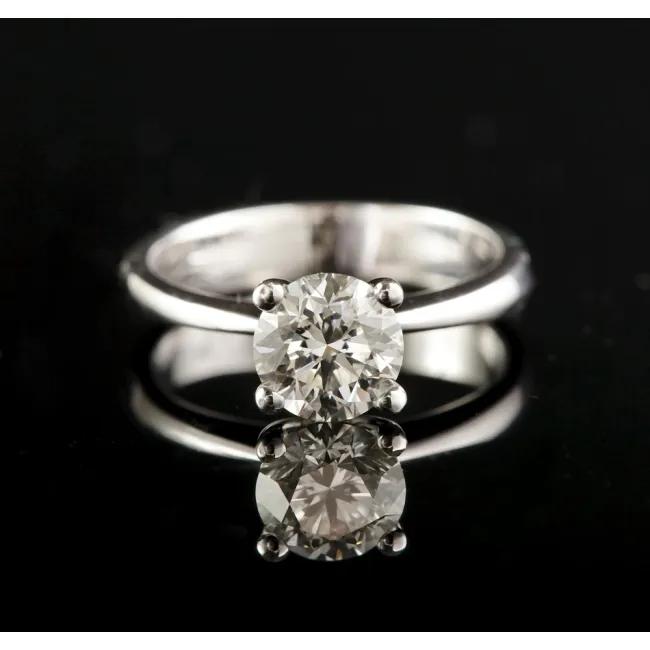
A QUICK GUIDE TO SELLING DIAMONDS WITHOUT CERTIFICATES
Not every diamond comes with a grading report — and that's okay. Uncertified diamonds can still command real value in the right market. Whether you've inherited a stone, purchased one without documentation, or simply never had it certified, this guide walks you through what you need to know to sell it confidently and for the best possible price.
UNDERSTANDING UNCERTIFIED DIAMONDS
WHAT IS AN UNCERTIFIED DIAMOND?
Uncertified diamonds — sometimes called non-certified diamonds — are natural stones that have not been evaluated by a professional gemological laboratory. They are identical in composition to their certified counterparts; they simply lack the formal grading report that documents attributes like cut, color, clarity, and carat weight. The absence of a certificate doesn't diminish the diamond itself — it just affects how easily its quality can be verified by a buyer.
WHY SELL AN UNCERTIFIED DIAMOND?
Many uncertified diamonds sit unused in drawers or safe deposit boxes — their value untapped. Whether inherited from a family member, found in an estate, or purchased years ago without documentation, these stones can still command significant value. Selling them is a practical way to convert an idle asset into real capital, and experienced buyers like White Pine are well-equipped to evaluate and purchase them fairly.
PREPARING TO SELL YOUR UNCERTIFIED DIAMOND

ASSESS YOUR DIAMOND
Before approaching any buyer, develop a basic understanding of what you have. Take note of the stone's size, shape, color, and any visible inclusions. You don't need gemological expertise to do this — a careful visual inspection under good lighting can give you a working sense of the diamond's quality and help calibrate your expectations before you receive a formal offer.
GET A PROFESSIONAL APPRAISAL
We recommend seeking a professional appraisal before selling. A qualified appraiser can provide a more accurate picture of your diamond's characteristics and may advise whether obtaining a GIA certificate would meaningfully increase its market value. Just remember: the appraised figure is typically a retail replacement value — higher than what you'll receive in a resale — so use it as context, not as a pricing target.
YOUR SELLING OPTIONS
DIRECT TO CONSUMERS
Platforms like eBay or Etsy allow you to set your own price and sell directly to the public. The upside is control; the downside is that it requires a solid understanding of your diamond's worth and the patience to find the right buyer. Without a certificate, attracting serious buyers at a fair price can take significantly longer.
JEWELRY STORES AND LOCAL DEALERS
Many local jewelry stores and diamond dealers purchase uncertified diamonds. This route is often more straightforward than selling privately, though the offers you receive will reflect the retailer's need to build in a margin for resale. Expect offers to be conservative, particularly for stones without documentation.
ONLINE DIAMOND BUYERS
Specialized online buyers like White Pine offer a streamlined, transparent process for selling uncertified diamonds — with expert in-house valuation rather than relying solely on documentation. You can sell loose diamonds or sell engagement rings directly to White Pine, with no certificate required to receive a competitive offer.
WAYS TO ENHANCE YOUR DIAMOND'S VALUE BEFORE SELLING
RECUTTING AND POLISHING
In some cases, improving a diamond's physical appearance through recutting or polishing can enhance its appeal and market value. This is a nuanced process that depends heavily on the individual stone — and it should only be undertaken by experienced professionals who can assess whether the enhancement is likely to yield a net gain. Not every diamond benefits from recutting, and the cost needs to be weighed carefully against the potential upside.
OBTAINING A GIA CERTIFICATE
For higher-value stones, obtaining a GIA certificate before selling is often worth the investment. A GIA grading report provides a globally recognized, objective assessment of your diamond's quality — significantly increasing buyer confidence and, in turn, the offers you receive. The GIA is the most trusted gemological laboratory in the world. You can learn how to submit a diamond for grading directly on the GIA's website.
LEGAL AND ETHICAL CONSIDERATIONS
When selling uncertified diamonds, it is essential to ensure that the stones were legally obtained. Be transparent with potential buyers about the absence of certification and provide whatever supporting documentation you do have — original receipts, appraisals, or estate paperwork. This transparency protects you legally, builds trust with buyers, and ensures a clean, uncomplicated transaction for both parties.
SELL YOUR UNCERTIFIED DIAMOND TO WHITE PINE
White Pine specializes in acquiring and remarketing recycled diamonds — certified and uncertified alike. Our in-house experts assess every stone on its own merits, using real market knowledge and extensive industry connections to make fair, competitive offers. Our process is transparent, efficient, and designed to maximize what you receive. You maintain full ownership of your diamond until you accept an offer — no risk, no obligation. Get in touch today for a free estimate.
RELATED SERVICES & INVENTORY
Melee Diamonds
Natural and lab-grown melee in trade quantities, sorted and ready to ship.
Learn more →